Jeffrey Epstein used the global banking system like his personal ATM. He moved millions, even after being convicted, and the banks let it happen. His relationships with JPMorgan and Deutsche Bank show how deep money and influence can bury red flags. Today, those same institutions are paying fines, facing lawsuits, and scrambling to explain how they missed so much for so long.
The Epstein scandal ripped the mask off a system that often protects money more than people. And it is far from over.
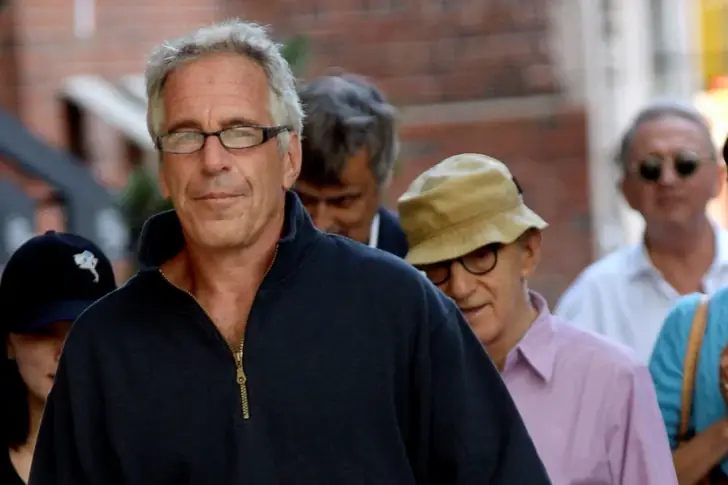
Why? Because he was profitable. In 2003 alone, Epstein earned the bank $8 million in fees. To JPMorgan, he wasn’t a predator. He was a high-value customer.
But the warning signs were there. Epstein made huge cash withdrawals, $175,000 in one year alone. That aligned closely with what he paid women during that time. JPMorgan’s own staff flagged this activity. Their alerts climbed the chain of command but were repeatedly ignored.
Senior executives overrode compliance officers at least four times. When money talks, internal alarms get muted.
Jes Staley’s Cozy Relationship With Epstein
One name comes up over and over: Jes Staley. Back then, he was a top executive at JPMorgan. Later, he became the CEO of Barclays. Staley wasn’t just managing Epstein’s accounts. He was sending him selfies, exchanging over a thousand emails, and even visiting his private island.
When JPMorgan’s legal team wanted to cut Epstein loose in 2011, Staley stepped in and asked for a meeting instead. He vouched for Epstein, even after knowing what the guy had done. This shows a cultural problem inside the bank. Compliance wasn’t independent.
It could be overruled if the client was valuable enough. And when the fallout came, JPMorgan tried to pin it all on Staley. But this wasn’t just one man’s failure. It was a system-wide collapse.
The Slow-Motion SARs
You would think that after Epstein got arrested in 2019, the banks would have acted fast. But JPMorgan waited years to file formal reports on its suspicious activity. It took over a decade to flag 4,700 transactions worth more than $1 billion.
But what they didn’t have was the will. By the time they acted, Epstein had already abused countless girls and moved vast sums of money with ease.
Deutsche Bank’s Willful Blindness
After JPMorgan finally dumped Epstein in 2013, Deutsche Bank welcomed him with open arms. They placed him in their “Key Client Partners” group, the VIP section of banking. Never mind the public records, the lawsuits, or the accusations from over 40 young girls. To Deutsche Bank, Epstein was a whale.
They opened over 40 accounts for him, including accounts created for sketchy charities like Gratitude America. That “nonprofit” turned out to be a personal piggy bank. Epstein used it to get tax breaks and shift money around, and Deutsche Bank helped make it all happen.
Deutsche Bank’s internal systems didn’t catch much. They missed or ignored over $13 million in payments to possible victims and co-conspirators. Regulators weren’t amused. New York hit the bank with a $150 million fine in 2020. Later, Deutsche Bank settled a lawsuit with Epstein’s victims for $75 million.